

Cold insulation is crucial for maintaining stable temperatures, saving energy, and protecting equipment in both industrial and residential settings. Over my years working with cold insulation materials, I've seen what works best and what can cause problems if chosen poorly. For beginners, understanding the types, durability, proper thickness, and maintenance can make all the difference.
Here's a guide from my perspective as a cold insulation specialist, focusing on materials available from my own brand.
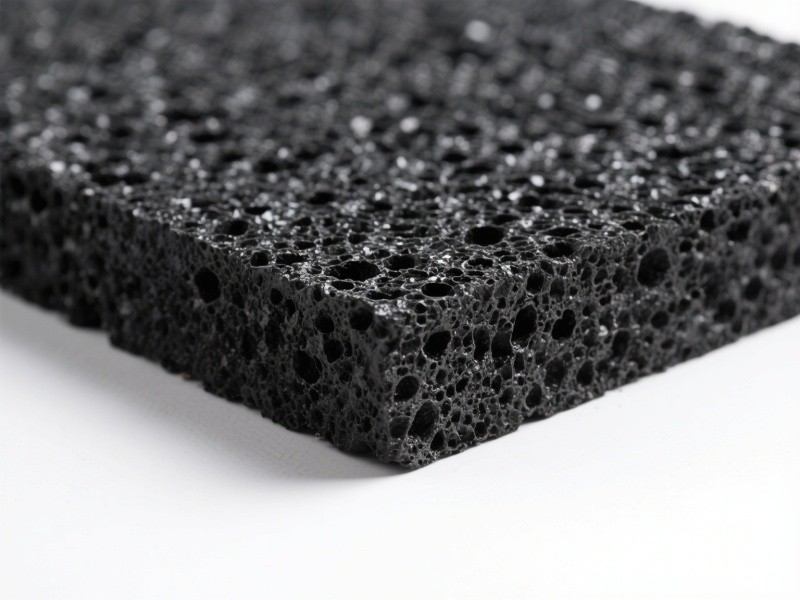
Your choice of insulation material affects efficiency, durability, and ease of installation. Here are the key materials offered by my brand:
PUR (Polyurethane): Lightweight and highly efficient, PUR provides excellent thermal resistance. Ideal for walls, roofs, and refrigeration units. Care should be taken to protect from moisture on long-term applications.
PIR (Polyisocyanurate): Similar to PUR but with higher fire resistance and slightly better thermal performance. Great for industrial insulation and areas with stricter safety requirements.
Cellar Glass (Cellular Glass): Rigid, non-combustible, and completely moisture-resistant. Perfect for underground insulation, basements, and areas exposed to damp conditions.
Fiberglass: Long-lasting, versatile, and able to tolerate high temperatures. Needs a vapor barrier to prevent condensation in cold applications.
Tip from experience: For beginners, PUR and PIR panels often offer the easiest installation while providing strong thermal insulation. For wet or underground environments, Cellar Glass is unbeatable.
Durability is just as important as initial performance. Here's what I've observed with my brand materials:
1. PUR: 15–20 years indoors; sensitive to long-term moisture exposure.
2. PIR: 20+ years with proper installation; slightly better fire resistance than PUR.
3. Cellar Glass: 30+ years; fully moisture-resistant and dimensionally stable.
4. Fiberglass: 20–30 years indoors; requires vapor barrier to avoid mold.
Proper installation and protection against environmental factors like UV and water are essential to maximize lifespan.
Thickness determines the insulation's effectiveness. Here's my guide:
Temperature difference: Greater temperature differences require thicker insulation.
Material R-values: PUR and PIR panels typically have high R-values, meaning excellent insulation per inch.
Condensation risk: In humid environments, thicker insulation reduces condensation.
Manufacturer charts: Follow thickness guidelines provided for your specific material and application.
Experience tip: Over-thick insulation can be costly and tricky to install—balance performance and practicality.
Even the best materials need care:
1. Regular inspections: Look for cracks, damage, or moisture at least twice a year.
2. Seal gaps promptly: Small openings drastically reduce insulation performance.
3. Protect outdoor surfaces: UV-resistant cladding helps preserve PUR and PIR panels.
4. Replace damaged sections: Small patches can restore efficiency without full replacement.
Routine checks prevent most issues I've seen over decades of installation.
From my experience:
PUR and PIR: Best balance of ease, performance, and cost for general applications.
Cellar Glass: Ideal for underground or wet areas, providing long-term stability and moisture resistance.
Fiberglass: Excellent for industrial applications or where high temperatures coexist with cold insulation.
The “best” material depends on budget, environment, and installation skills. For beginners, PUR or PIR panels are usually the safest choice, with Cellar Glass reserved for damp or underground projects.

Copyright ? 2025ZHEJIANG ZHENSHEN INSULATION TECHNOLOGY CORP.LTD. All rights reserved. 網站備案/許可證號:浙ICP備16010266號-1